
POWER4AIR is a European research initiative dedicated to developing innovative high-voltage power electronics technologies for the aviation sector. Our goal is to advance state-of-the-art power conversion technologies for aerospace applications, contributing to safer and more efficient electrical power distribution. These solutions will help reduce the weight of electrical systems while improving the energy performance of future regional and commercial aircraft.
The Project
Context and Challenges
HVDC power distribution and aerospace standards impose specific requirements on power electronic equipment intended for commercial aviation. As a result, the project's main challenges focus on the development of the following technological advances:
- Power module reliability models: Enhancing existing reliability models, as next-generation semiconductors (SiC and GaN) have not yet been fully characterised, leading to overdesign and increased maintenance costs.
- Electrical fault detection (AFD and PD): Improving the detection of electrical arcs in aircraft wiring systems, particularly in HVDC networks, to prevent cascading failures and enhance safety.
- High-density filters: Reducing the size and weight of electrical filters through active filtering technologies while meeting electromagnetic interference (EMI) requirements.
- High-density magnetics: Optimising magnetic components—including transformers, inductors, and related devices—through the use of advanced materials and improved thermal management to reduce size and weight.
Ultimately, all of these technologies will be integrated and tested within a 250 kW power converter to demonstrate their performance in aerospace applications.
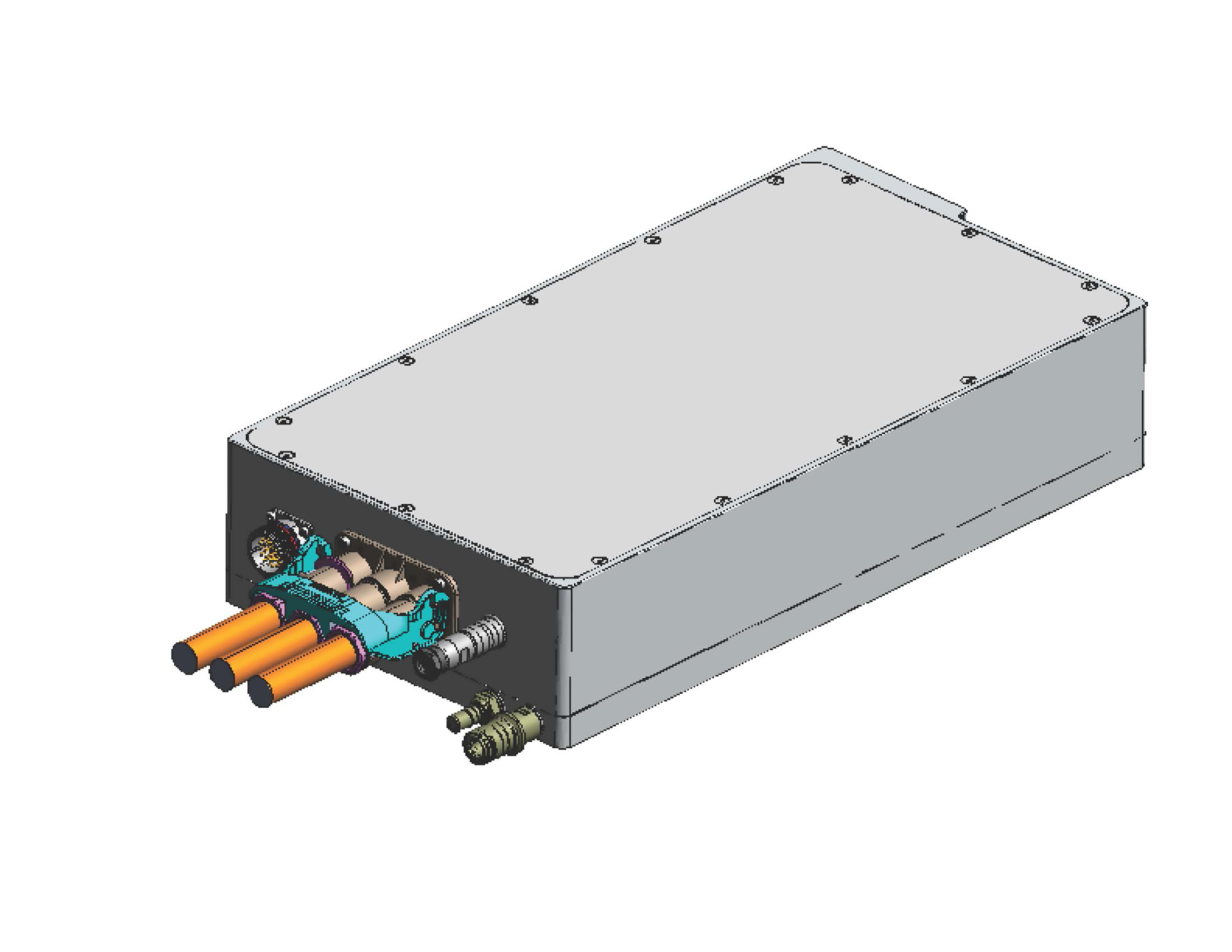
The project's primary focus is on WP4, where Skylife leads the design and development of a high-power DC-AC power converter prototype capable of delivering up to 250 kW while performing the function of a Motor Control Unit (MCU). This development represents the project's core component, aimed at creating an efficient, reliable system designed to operate in highly demanding environments.
Finally, Skylife establishes a ground testing environment for converter validation, where the outcomes of the previous work packages are integrated and evaluated. This includes validating system reliability, arc fault detection capabilities, and high-density filtering solutions.
Financing
The project provides Skylife with funding of 1,290,250.00 €, covering 100% of the eligible costs through a grant. This ambitious initiative is made possible through the collaboration of a high-level consortium comprising IRTSE, Fraunhofer, SINTEF, CEIT, ATR, ST, Universidad Carlos III de Madrid, and the University of Seville.


-
SectorAeroespacial
-
ScopeEuropeo
-
CallHORIZON-JU-Clean-Aviation-2025-01F
-
Reference101251267
-
Project Duration2025 – 2027



